1) बाज़ार पृष्ठभूमि (आउटलुक + रुझान)
ब्राज़ील में स्क्रैप यार्डों में प्रतिस्पर्धा बढ़ती जा रही हैप्रेषण विश्वसनीयता-सिर्फ स्क्रैप सोर्सिंग नहीं। विध्वंस, निर्माण और औद्योगिक रखरखाव से प्राप्त मिश्रित भारी स्क्रैप अक्सर बड़े आकार का और अनियमित रूप से आता है। यदि आकार देने में देरी हो रही है, तो बड़े आकार के टुकड़े पूरे यार्ड में फैल जाते हैं, गलियाँ अवरुद्ध हो जाती हैं, और बार-बार क्रेन चलाने पर मजबूर हो जाते हैं। यह आम "रश कटिंग" समस्या पैदा करता है: कटिंग केवल तभी होती है जब ट्रक आते हैं, जिससे लोडिंग विंडो छूट जाती है और शिपमेंट की गुणवत्ता असंगत हो जाती है।यही कारण है कि ए के लिए दृष्टिकोण630-टन कंटेनर स्क्रैप कतरनीमजबूत है. एक समर्पित, उच्च-बल आकार वाला स्टेशन यार्डों को प्रक्रिया के आरंभ में मिश्रित भारी स्क्रैप को सुसंगत, लोड करने योग्य टुकड़ों में बदलने में मदद करता है। जब आउटपुट पूर्वानुमानित हो जाता है, तो स्टैकिंग में सुधार होता है, लोडिंग सख्त हो जाती है, और दैनिक प्रेषण योजना बहुत आसान हो जाती है।
2) ग्राहक सामग्री (कच्चा माल प्रोफाइल)
ब्राज़ीलियाई ग्राहक की आवक धारा मुख्य रूप से भारी लौह स्क्रैप थी, जिसमें शामिल हैं:
विध्वंस और निर्माण से संरचनात्मक स्टील ऑफकट्स (आई-बीम, चैनल, कोण)।
गोल और चौकोर बार स्क्रैप को नियंत्रित कटिंग और लगातार लंबाई की आवश्यकता होती है
प्लेट ऑफकट्स और मिश्रित भारी टुकड़े जो पहले "समस्याग्रस्त वस्तुएं" बनाते थे
विशिष्ट आकार के लक्ष्य सामान्य भारी आकृतियों के साथ संरेखित होते हैं, जैसे कि वर्ग 120×120 मिमी, गोल Ø130 मिमी, और 40×1000 मिमी वर्ग तक की प्लेट
3) लक्ष्य क्षमता (उत्पादन लक्ष्य)
ग्राहक चाहता था कि कटिंग एक नियमित कदम बन जाए जो दैनिक ट्रक लोडिंग से मेल खाता हो:
लक्ष्य थ्रूपुट:8-10 टन/घंटा(सामग्री पर निर्भर, स्थिर फ़ीड लय पर आधारित)
लक्ष्य काटने की लय:3-4 कट/मिनटपीक-डे बैकलॉग को रोकने के लिए
परिचालन लक्ष्य: री-हैंडलिंग को कम करना और प्रेषण से पहले आकार रखना, ताकि लोडिंग आसान और अधिक पूर्वानुमानित हो जाए
4) साइट बाधाएं (लेआउट और उपयोगिताएँ)
यार्ड में व्यस्त ब्राज़ीलियाई परिचालनों के लिए विशिष्ट व्यावहारिक बाधाएँ थीं:
लोडिंग लेन के पास सीमित स्थान, एक कॉम्पैक्ट स्टेशन फ़ुटप्रिंट और स्वच्छ ट्रैफ़िक पृथक्करण की आवश्यकता है
क्रेन/ग्रेपल फीडिंग, मिश्रित बैचों को कुशलतापूर्वक संभालने के लिए चौड़े फीडिंग मुंह की आवश्यकता होती है
क्रॉस-ट्रैफ़िक और भीड़भाड़ से बचने के लिए स्पष्ट डिस्चार्ज और स्टैकिंग लेन की आवश्यकता है
एक स्थिर औद्योगिक आपूर्ति (380V/50Hz वर्ग, आवश्यकतानुसार अनुकूलित) और लगातार दैनिक संचालन के आसपास बिजली योजना
5) यह टनभार क्यों (चयन तर्क)
ग्राहक ने एक का चयन किया630-टन श्रेणी के कंटेनर स्क्रैप कतरनीक्योंकि उनके स्क्रैप मिश्रण में भारी खंड और प्लेट शामिल थे जो मजबूत काटने की शक्ति की मांग करते थेलय का त्याग किए बिना. निर्णय मापने योग्य कारकों से जुड़ा था:
एक विस्तृत3700 × 2500 मिमी फीडिंग माउथमिश्रित भारी स्क्रैप की व्यावहारिक क्रेन फीडिंग के लिए
मज़बूतसिलेंडर पकड़ो (1153 केएन)अनियमित टुकड़ों को स्थिर करने और पुनर्स्थापन समय को कम करने के लिए
ए1500 मिमी ब्लेडऔर1500 × 400 मिमी आउटपुट माउथनियंत्रित डिस्चार्ज और लगातार स्टेजिंग का समर्थन करने के लिए
एक स्थिर3-4 कट/मिनटलय और एक8-10 टन/घंटाप्रेषण आवश्यकताओं से मेल खाने के लिए क्षमता सीमाएक छोटे टनभार को भारी आकृतियों से संघर्ष करना पड़ता, जबकि एक बड़े आकार के समाधान से यार्ड की वास्तविक अड़चन में सुधार किए बिना पदचिह्न और लागत में वृद्धि हो सकती थी।
6) वास्तविक कॉन्फ़िगरेशन (जैसा वितरित किया गया)
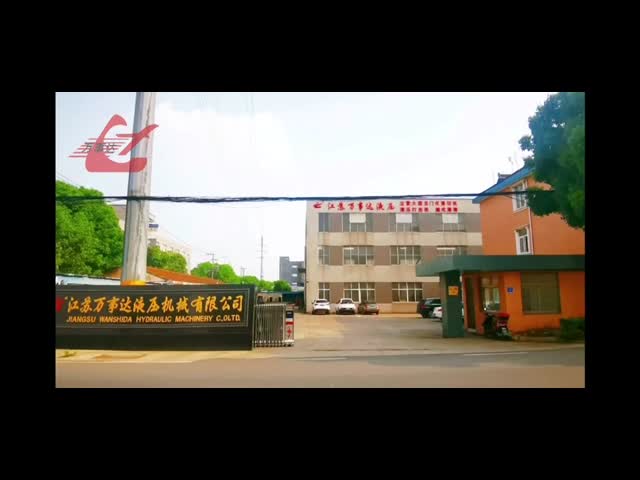
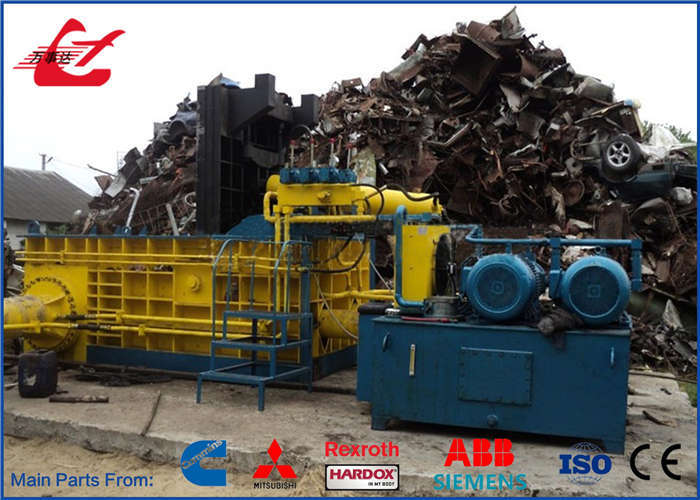
जिआंगसु वानशिदा हाइड्रोलिक मशीनरी कंपनी लिमिटेडआपूर्ति1 सेट Q43W-6300A क्षैतिज कंटेनर स्क्रैप धातु कतरनी मशीन, के साथ कॉन्फ़िगर किया गयापीएलसी स्वचालित नियंत्रण + रिमोट ऑपरेशन (सीमेंस),हवा ठंडी करना, और एक मिलान3 मोटर + 3 पंपस्थिर दैनिक रनटाइम का समर्थन करने के लिए हाइड्रोलिक पैकेज।
7) वर्कफ़्लो सेटअप (यह साइट पर कैसे चलता है)
"प्रति टन स्पर्श" को कम करने के लिए कतरनी को इनबाउंड स्टेजिंग और आउटबाउंड लोडिंग के बीच रखा गया था।
फ़ीड → होल्ड → कट → डिस्चार्ज → स्टैक/लोड
8) कंटेनर लोडिंग/इंस्टॉलेशन/ट्रायल-रन फीडबैक (ऑन-साइट नोट्स)
हाइड्रोलिक घटकों की सुरक्षा और साइट पर कुशल उठाने और स्थिति की अनुमति देने के लिए कंटेनर पैकिंग और अनलोडिंग की योजना बनाई गई थी
इंस्टालेशन जांच लेवलिंग, बिजली कनेक्शन, हाइड्रोलिक सफाई और सुरक्षित फ़ीड/डिस्चार्ज लेन पृथक्करण पर केंद्रित है
ट्रायल रन सत्यापन ने अनियमित टुकड़ों पर स्थिरता बनाए रखने, लय स्थिरता में कटौती और डिस्चार्ज स्टेजिंग स्पष्टता पर जोर दिया
ऑपरेटर ऑनबोर्डिंग ने क्रेन फीडिंग अनुशासन और सुरक्षित दूरस्थ संचालन प्रथाओं पर ध्यान केंद्रित किया
ग्राहक ने बताया कि मशीन सुचारू रूप से चल रही थी और समग्र उपयोग प्रदर्शन अच्छा थाबहुत अच्छा, विशेष रूप से दैनिक आकार और प्रेषण तैयारी के लिए
9) विशिष्टता तालिका (मुख्य तकनीकी पैरामीटर)
वस्तु
विशिष्टता (Q43W-6300A)
उत्पाद
Q43W-6300A क्षैतिज कंटेनर स्क्रैप धातु कतरनी मशीन
मात्रा
1 सेट
काटने का बल
2890×2 केएन (630-640 टन वर्ग), 2 कटिंग सिलेंडर
स्पीड-अप सिलेंडर
512 केएन, 1 पीसी
सिलेंडर पकड़ो
1153 केएन (118 टन), 1 पीसी
मुँह से दूध पिलाना (L×W)
3700 × 2500 मिमी
आउटपुट माउथ (डब्ल्यू×एच)
1500 × 400 मिमी
ब्लेड की लंबाई
1500 मिमी
काटने की गति
3-4 बार/मिनट
क्षमता
8-10 टन/घंटा
हाइड्रोलिक तेल ठंडा करना
वायु शीतलन प्रणाली
सिस्टम का दबाव
22.0 एमपीए (अधिकतम 25.5 एमपीए)
मोटर्स
Y225M-4, 45 किलोवाट, 1480 आर/मिनट, 3 सेट
पंप्स
A7V160LV1RPFOO, 160 मिली/आर, 35 एमपीए, 3 सेट
बिजली की आपूर्ति
380V / 50Hz (अनुकूलित)
कुल शक्ति
लगभग 139 किलोवाट
नियंत्रण विधि
पीएलसी स्वचालित + रिमोट (सीमेंस)
कुल मिलाकर आकार (L×W×H)
8300 × 2250 × 2900 मिमी
कुल वजन
लगभग 29 टन
विशिष्ट कटटेबल स्क्रैप
वर्ग 120×120; कोण 200×200×20 (3 पीसी); दौर Ø130; आई-बीम 500×162×16; प्लेट 40×1000; चैनल 400×104×14.5 (2 पीसी)
10) परिचालन स्थिति नोट्स (पैरामीटर + कार्य शर्तें)
मिश्रित भारी स्क्रैप के लिए सबसे उपयुक्त है जहां स्थिर पकड़ से पुनर्स्थापन कम हो जाता है और कट की स्थिरता में सुधार होता है
रेटेड क्षमता8-10 टन/घंटास्क्रैप मिश्रण, फीडिंग स्थिरता और स्टेजिंग अनुशासन पर निर्भर करता है
वायु शीतलन प्रणालीजब यार्ड स्थिर फीडिंग लय बनाए रखता है तो निरंतर संचालन का समर्थन करता है
सर्वोत्तम परिणामों के लिए, स्पष्ट क्षेत्र डिज़ाइन करें: भीड़भाड़ को रोकने के लिए फीडिंग लेन, डिस्चार्ज ज़ोन और स्टैकिंग/लोडिंग लेन
11) ग्राहक प्रतिक्रिया (पहला परिवर्तन → दूसरा परिवर्तन → अंतिम आदत)
पहला परिवर्तन: बड़े आकार के स्क्रैप ने लेन को अवरुद्ध करना बंद कर दिया क्योंकि आकार "अंतिम-मिनट" से नियमित प्रसंस्करण में स्थानांतरित हो गया
दूसरा परिवर्तन: डिस्चार्ज पाइल्स अधिक समान हो गए, स्टैकिंग में सुधार हुआ और लोडिंग घर्षण कम हो गया
अंतिम आदत: प्रेषण योजना शांत हो गई-कट आकार और आउटपुट लय पूर्वानुमानित थे, और दैनिक शिपिंग को नियंत्रित करना आसान हो गयाग्राहक से कुल मिलाकर उपयोग की प्रतिक्रिया थीबहुत सकारात्मक, विशेष रूप से दैनिक संचालन स्थिरता और यार्ड प्रवाह में सुधार।
12) मुख्य टेकअवे
ब्राज़ील का यह प्रोजेक्ट दिखाता है कि कैसे630-टन कंटेनर स्क्रैप कतरनीएक पूर्वानुमानित "कट-एंड-लोड" रूटीन को स्थापित कर सकता है। चौड़े फीडिंग माउथ, मजबूत पकड़, स्थिर 3-4 कट/मिनट की लय और पीएलसी रिमोट कंट्रोल के साथ, Q43W-6300A मिश्रित भारी स्क्रैप को लोड करने योग्य, सुसंगत टुकड़ों में बदलने में मदद करता है - जो बेहतर यार्ड संगठन और सुचारू प्रेषण का समर्थन करता है।
अक्सर पूछे जाने वाले प्रश्न (3)
Q1: मुझे कैसे पता चलेगा कि 630-टन क्लास मेरे यार्ड के लिए सही है?यदि आपके स्क्रैप मिश्रण में भारी खंड और प्लेट शामिल हैं जो नियमित रूप से बड़े आकार की बाधाएं पैदा करते हैं, तो आपको बार-बार पुनर्स्थापन के बिना लय बनाए रखने के लिए पर्याप्त कटिंग बल की आवश्यकता होती है।
Q2: वास्तविक उत्पादन को सबसे अधिक क्या प्रभावित करता है?फीडिंग विधि (क्रेन/ग्रेपल), स्क्रैप मिश्रण, और स्टेजिंग लेआउट। स्थिर होल्डिंग और स्पष्ट डिस्चार्ज लेन रुकावटों को कम करती हैं।
Q3: स्थापना से पहले क्या तैयार किया जाना चाहिए?सुरक्षित यातायात प्रवाह के लिए लिफ्टिंग योजना, बिजली आपूर्ति, हाइड्रोलिक तेल की तैयारी और स्पष्ट फ़ीड/डिस्चार्ज/स्टैकिंग जोन की पुष्टि करें।
सीटीए:अपना स्क्रैप मिश्रण + अधिकतम आकार/मोटाई + दैनिक टन + फीडिंग विधि + साइट लेआउट भेजें। हम स्थिर प्रेषण के लिए सही टन भार और एक व्यावहारिक स्टेशन लेआउट की अनुशंसा करेंगे।